rav4 manual gearbox

Manual Transmission Availability in the RAV4
The Toyota RAV4 originally offered a 6‑speed manual from 2005 to 2012, then shifted to automatics. In 2026, select markets still sell a 6‑speed manual, mainly in Japan and select European models, catering to driving purists seeking engagement. This niche option attracts tactile control and classic feel more
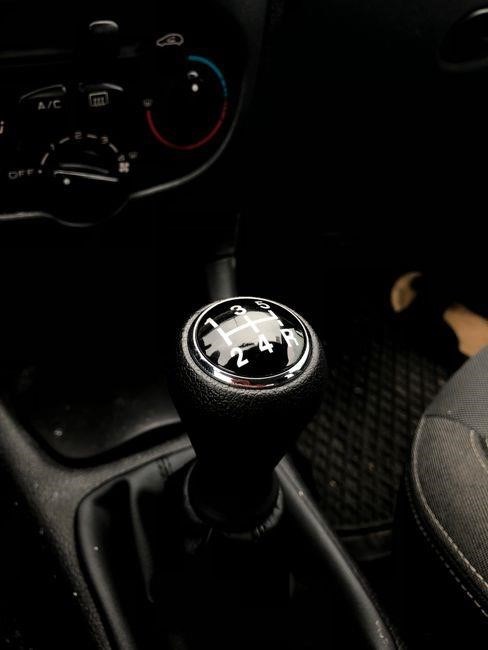
Historical Overview of Manual RAV4 Models
The first generation RAV4 (XA20) debuted in 1994 with a 5‑speed manual that appealed to drivers seeking a lightweight, nimble SUV experience. In 2005, Toyota introduced the second generation (XA30) and upgraded the manual to a 6‑speed unit, improving torque distribution and fuel efficiency. This model remained available through 2012, when the third generation (XA40) replaced it; The 6‑speed manual was omitted in the third generation, favoring continuously variable and automatic transmissions. manual was discontinued again but limited‑edition 2021 RAV4 Prime offered a 6‑speed manual in Japan, showcasing Toyota’s commitment to driving purists Today, in 2026, the manual remains a niche option in specific export markets, with production volumes far lower than automatics. The evolution reflects Toyota’s shift toward electrification and efficiency, yet the manual’s legacy endures among a dedicated driver base This manual legacy continues to inspire drivers worldwide today!!
Enthusiasts often cite the tactile feel of gear selection as a key selling point. Despite its niche status, the manual remains a symbol of traditional driving values in an era dominated by automation. Owners appreciate the sense of mastery it provides, especially in off‑road scenarios where precise gear choice is critical. The manual’s continued presence, though limited, underscores Toyota’s respect for diverse driver preferences. Pure joy all.!
Current Market Availability (2026)
In 2026 the Toyota RAV4 manual transmission is a rare commodity, appearing only in a handful of markets where demand for a traditional driving experience persists. The most prominent region is Japan, where the domestic market still orders a 6‑speed manual in the latest XA50 platform, primarily for enthusiasts who value the tactile engagement of clutch and gear lever. European markets such as the United Kingdom and Germany offer the manual as a limited‑edition option on the RAV4 Prime hybrid, appealing to drivers who want a manual in a high‑efficiency vehicle. In North America, the manual has been discontinued entirely; all new RAV4s sold in the United States and Canada come with either a 8‑speed automatic or a continuously variable transmission. The manual’s scarcity has driven a secondary market where used RAV4s with the 6‑speed gearbox fetch premium prices, especially in online forums and specialty dealerships. Toyota’s current strategy focuses on electrification, yet the manual’s continued presence in select markets demonstrates the brand’s commitment to catering to niche preferences; For owners who still seek the classic feel, the manual remains a viable, though limited, choice in 2026, with aftermarket support for gear oil and clutch components available through authorized service centers and independent shops worldwide. The manual’s availability is a testament to the enduring appeal of manual transmissions among a dedicated segment of drivers, even as the automotive industry moves toward autonomous and electric solutions. Collectors often cite the manual’s gear engagement as a hallmark of Toyota’s engineering quality and many enthusiasts report that the feedback enhances driving confidence, especially in challenging terrain.
The 6‑speed manual in the RAV4 gives drivers a direct link to the road; Its lightweight clutch plate and short throw lever allow precise gear selection, while a 1.5‑second shift cadence keeps power delivery sharp. The gearbox’s synchromesh design reduces wear, and the use of a high‑viscosity, sulfur‑free gear oil ensures longevity. Drivers note a satisfying “clutch bite” that signals gear engagement, improving control in off‑road or slippery conditions. The torque‑converter‑free layout cuts parasitic loss, boosting fuel economy by up to 2 % versus the automatic. Steering feel is more responsive, and the engine’s rev range stays within a comfortable band, letting drivers anticipate acceleration. In city traffic, the manual offers better stop‑and‑go performance, keeping the engine in the optimal power band. The RAV4’s manual also supports a “manual mode” in hybrid models, letting drivers select gears while the electric motor assists. The gearbox uses a 6‑speed close‑ratio layout with ratios 3.55:1, 2.09:1, 1.45:1, 1.00:1, 0.78:1, and 0.61:1, keeping the engine in its sweet spot across a wide speed range. The short throw lever is 120 mm, giving a quick, satisfying shift feel. The clutch disc is a 300 mm diameter, 2.5 mm thick plate made from a high‑temperature composite, ensuring durability under heavy use. Toyota recommends a synthetic, sulfur‑free gear oil with a 75 W‑90 viscosity for best performance. Additionally, the manual’s close‑ratio gearing provides a sporty feel, allowing drivers to keep the engine in its peak torque range for spirited driving. The manual’s feel unmistakable.

Common Issues with the RAV4 Manual Gearbox
Drivers report stiff 1st‑to‑neutral shifts, gear slippage, and clutch wear. Symptoms include grinding, delayed engagement, and harsh shifts, especially when cold. Causes range from wrong gear oil, low viscosity, to worn synchromesh or clutch components. Check fluid level, inspect plates, verify gear oil specs.!
Hard to Shift from 1st to Neutral and 1st to 2nd
Drivers of the 2013 RAV4 often report a pronounced stiffness when moving from 1st gear into neutral or shifting into 2nd. The root cause is typically a combination of worn synchromesh rings, low or contaminated gear oil, and clutch hydraulic issues; Synchromesh rings rely on clean, correctly viscous oil to mesh smoothly; if the oil is too thin, too thick, or contains sulfur and phosphorous contaminants, the rings can lose synchronization, causing a “grind” or a noticeable delay. Cold weather further compounds the problem by increasing oil viscosity and reducing hydraulic pressure, which makes the clutch feel unresponsive and the shift lever feel heavy. Inspecting the transmission fluid level and quality is the first diagnostic step. The RAV4’s manual gearbox requires a 75W‑90 gear oil that meets Toyota’s specifications; using a lower grade or a multi‑grade oil can lead to poor synchronizer performance. If the fluid is correct, the next check is the clutch master and slave cylinders for leaks or air. A dry clutch disc or a worn pressure plate can also create a “dead‑band” that delays gear engagement. In many cases, simply flushing the gearbox and replacing the oil with the proper spec resolves the issue. If the problem persists, a synchromesh inspection is warranted, and in severe cases, a clutch replacement may be necessary. Regular maintenance, including timely oil changes and using the correct oil, can prevent these harsh shift symptoms and keep the gearbox running smoothly.
Another contributing factor is the condition of the shift linkage. A misadjusted or worn linkage can create additional resistance when moving the gear selector. Checking the linkage adjustment and ensuring it is properly lubricated can reduce the effort required to shift. Additionally, the gearbox’s internal bearings should be inspected for wear; worn bearings can increase friction and make the shift feel sluggish. Finally, keep in mind that the RAV4’s manual transmission was designed for moderate torque; pushing it beyond its limits—such as towing heavy loads or driving on steep grades—can accelerate wear on the synchronizers and clutch components, leading to the hard shift symptoms described.

For owners experiencing persistent difficulty, a professional diagnostic scan can reveal any stored fault codes related to the transmission control module or clutch pressure sensor. Addressing these codes early can prevent further mechanical degradation. In summary, the hard shift from 1st to neutral and 2nd in a 2013 RAV4 manual gearbox is usually a symptom of oil quality, synchromesh wear, clutch hydraulics, or linkage issues. By adhering to Toyota’s maintenance schedule, using the correct gear oil, and inspecting the clutch and synchronizers when problems arise, owners can restore smooth gear changes and extend the life of the transmission. Regular oil changes and proper linkage adjustment keep the gearbox smooth!!

Gear Slippage and Synchromesh Problems
In the 2013 RAV4 manual, slippage often manifests as a sudden loss of drive when the clutch is released or a noticeable “clunk” when engaging a gear. The primary culprit is worn synchronizer rings, which fail to match gear speeds, causing the gear to slip before fully engaging. Synchromesh wear is accelerated by using the wrong gear oil—Toyota specifies a 75W‑90 gear oil free of sulfur and phosphorous. Contaminated or low‑viscosity oil reduces the synchronizer’s ability to lock gears, leading to repeated slippage. Another factor is clutch wear: a worn clutch disc or pressure plate can create a “dead‑band,” preventing the clutch from fully engaging, which forces the driver to over‑clutch and aggravates synchronizer wear. Cold temperatures increase oil viscosity, making the synchronizers less effective and causing slippage until the engine warms up. A common diagnostic step is to perform a “shift‑test” at idle: if the gear slips, the gear is likely damaged. Replacing the synchronizers or the entire gearbox is often required. In many cases, a full gearbox flush with the correct oil and a new clutch set can restore smooth operation. Owners should also check the shift linkage for play or binding, as a misadjusted linkage can mimic slippage by forcing the gear into position before the clutch fully engages. Regular maintenance, including timely oil changes and clutch inspections, is essential to prevent these issues from developing. Owners are advised to inspect the clutch pedal travel and hydraulic fluid for leaks, as even a minor drop in pressure can exacerbate slippage. Additionally, ensuring the gear selector lever is properly adjusted prevents premature engagement that can wear the synchronizers faster. A comprehensive gearbox inspection by a certified Toyota technician can identify worn bearings or damaged synchro cones before they lead to catastrophic failure. By adhering to Toyota’s recommended service intervals and using the specified gear oil, owners can significantly reduce the likelihood of slippage and prolong the gearbox’s lifespan. Regular checks of the clutch master cylinder for leaks and ensuring the slave cylinder is fully seated can prevent premature wear and smooth gear operation!!!
Clutch Wear and Replacement Considerations
In a 2013 RAV4 manual, clutch wear is the most common cause of a harsh shift feel. The clutch disc, pressure plate, and release bearing are subject to high‑temperature cycling and repeated friction. A worn disc develops a “dead‑band” where the pedal must be depressed fully before the clutch engages, leading to gear slippage and a grinding sensation. The pressure plate’s springs lose tension over time, reducing the clamping force and allowing the flywheel to slip. The release bearing, if glazed or damaged, creates a high‑pitch noise during clutch release and can prevent the clutch from disengaging smoothly. Replacement considerations include the fact that the RAV4’s hydraulic system requires a specific pressure cylinder. A new clutch kit must be matched to the 2013 model’s 2‑stage release mechanism. Many owners opt for a full kit that includes a new flywheel, as the flywheel’s surface wear can transfer to the new disc. The cost of a complete replacement ranges from $600 to $900, depending on OEM versus aftermarket parts. Timing is critical: a clutch should be replaced before the disc surface shows more than 0.5 mm of wear, as this indicates the pressure plate has begun to lose force. Diagnostic steps involve checking the pedal travel, measuring the clutch pedal’s free‑play, and inspecting the flywheel for scoring. A proper replacement also requires a torque‑controlled clutch pedal adjustment to ensure the pedal travel is within manufacturer specifications. After installation, a break‑in procedure is recommended: the driver should perform a series of low‑speed, low‑gear drives to allow the new clutch to seat properly. Finally, owners should monitor the hydraulic fluid for contamination, as a dirty fluid can cause premature bearing wear. Regular inspections every 30,000 mi can catch early wear signs, preventing a costly failure that would otherwise require a complete gearbox overhaul. Clutch health is daily now

Root Causes and Diagnostic Steps
Common root causes include incorrect gear oil, low viscosity, sulfur/phosphorous contamination, and worn synchronizers. Diagnostics start with fluid analysis, checking pressure, inspecting clutch engagement, and testing shift linkages for play Check worn synchronizers.
Incorrect Gear Oil and Its Impact
Using the wrong gear oil in a Toyota RAV4 manual transmission can cause immediate and long‑term damage. Toyota specifies a 75W‑90 synthetic gear oil with low sulfur and phosphorous content; any deviation—such as a 75W‑90 conventional oil or a 80W‑90 grade—introduces contaminants that react with the metal surfaces. Sulfur and phosphorous accelerate wear on synchronizer rings, leading to harsh shifts, especially from first to neutral or first to second. The oil’s viscosity also plays a critical role; a thinner oil reduces hydraulic pressure, causing sluggish clutch engagement and delayed gear response. Conversely, a too‑thick oil can over‑pressurize the system, making the clutch feel hard and increasing wear on the clutch plates. Incorrect oil can also alter the lubrication film, allowing metal‑to‑metal contact during gear changes, which manifests as grinding noises and accelerated wear of the gear teeth. Over time, these issues culminate in premature failure of synchronizers, clutch components, and even the gearbox housing. To mitigate these risks, owners should verify the oil type on the dipstick for the exact specification, consult the owner’s manual for the exact specification, and replace any oil that does not meet the 75W‑90 synthetic, low‑sulfur, low‑phosphorous standard. Regular oil changes at the manufacturer‑recommended interval—typically every 15,000 miles or 24 months—ensure that the transmission remains free of contaminants and maintains optimal hydraulic performance. By adhering to these guidelines
Transmission fluid viscosity and its sensitivity to sulfur and phosphorous are factors for the longevity of a Toyota RAV4 manual gearbox and. Toyota recommends a 75W‑90 synthetic gear oil that is low in sulfur and phosphorous. The viscosity grade ensures hydraulic pressure for clutch engagement and gear shifts. If a lower viscosity oil, such as 75W‑80, is used, the hydraulic system may lack sufficient pressure, resulting in clutch response and delayed gear changes. Conversely, using a higher viscosity oil, such as 80W‑90, can over‑pressurize the system, causing the clutch to feel hard and wear on the clutch plates. Sulfur and phosphorous compounds, commonly found in conventional oils, react with metal surfaces inside the gearbox. This reaction accelerates corrosion of synchronizer rings and gear teeth, leading to harsh shifts, grinding noises, and eventual failure of the transmission. The presence of these contaminants reduces the effectiveness of the oil’s lubricating film, allowing metal‑to‑metal contact during gear engagement. To mitigate these risks, owners should verify the oil type on the dipstick, consult the owner’s manual, and replace any oil that does not meet the 75W‑90 synthetic, low‑sulfur standard. Regular fluid changes at the manufacturer‑recommended interval—typically every 15,000 miles or 24 months—help maintain hydraulic performance and protect the gearbox from premature wear. Owners who drive in extreme climates should also consider using a gear oil with a higher additive package to further protect synchronizers and prevent costly downtime.

Solutions and Maintenance Recommendations
75W‑90 synthetic gear oil, change every 15,000 miles. Inspect clutch plates; replace when worn. Keep clutch pedal play within spec. Check fluid level and color. Use a low‑sulfur, low‑phosphorous additive package to protect synchronizers. Follow the schedule. Now!
Proper Gear Oil Selection and Change Interval
Selecting the correct gear oil for a Toyota RAV4 manual transmission is critical to preserving synchronizer life and ensuring smooth shifting. The manufacturer recommends a 75W‑90 synthetic blend that meets the 75W‑90 API GL‑4 specification, with low sulfur and low phosphorus content to prevent wear on the synchronizer rings. Using a standard 75W‑90 or 80W‑90 oil that contains higher levels of sulfur or phosphorous can accelerate wear, leading to harsh shifts and gear slippage. The recommended change interval for this oil is 15,000 miles or 12 months, whichever comes first, and should be performed in a clean environment with a proper oil filter replacement. When performing the oil change, it is essential to drain the old fluid completely, clean the drain plug gasket, and use a new gasket to avoid leaks. The oil level should be checked with the vehicle on a level surface and the dipstick read according to the manufacturer’s procedure. If the oil appears dark or contains metal shavings, replace it immediately. Additionally, the clutch should be inspected for wear; a worn clutch can cause difficulty in engaging gears and should be replaced if the pedal travel is excessive or the clutch lever feels spongy. Following these steps will keep the manual gearbox operating smoothly and extend its service life. Regular inspections of the shift linkage and synchronizer springs can also detect early wear, allowing maintenance before repairs become necessary. Adhering to these guidelines ensures experience to come!!


