boot insulation guide

Boot Insulation Guide: Keeping Your Feet Warm
Maintaining comfortable feet during cold weather necessitates understanding boot insulation; advancements like 3M Thinsulate have revolutionized warmth-to-weight ratios in footwear technology.
Boot insulation is a critical component often overlooked when selecting footwear for cold conditions. It’s not simply about adding a layer; it’s about employing specifically engineered materials designed for the unique demands of footwear. Unlike adapting jacket insulation, boot insulation requires durability, flexibility, and effective heat retention within a confined space.
Historically, materials like felt were used, but modern advancements, such as those pioneered by 3M with Thinsulate in the late 1970s, have dramatically improved performance. Thinsulate utilizes microfibers – ten times thinner than traditional fibers – to create a denser network of air pockets, maximizing warmth while minimizing bulk. This innovation marked a turning point, offering superior insulation without sacrificing comfort or dexterity.
Today, various insulation materials are available, each with its own strengths and weaknesses, impacting a boot’s overall performance and suitability for different activities and temperatures.
Why Boot Insulation Matters
Effective boot insulation is paramount for maintaining foot health and comfort in cold environments. Prolonged exposure to cold can lead to frostbite, hypothermia, and reduced blood circulation, significantly impacting mobility and overall well-being. Insulated boots trap and retain body heat, creating a thermal barrier against the cold.
Beyond comfort, proper insulation enhances performance. Cold feet can lead to muscle fatigue and decreased dexterity, crucial factors for activities like hiking or demanding work. By keeping feet warm and dry, insulation allows for sustained effort and reduces the risk of injury.
The weight of the insulation, measured in grams, directly correlates to the level of warmth provided, allowing users to select boots appropriate for specific temperature ranges and activity levels. Choosing the right insulation isn’t just about staying warm; it’s about safety, performance, and enjoying outdoor activities comfortably.
Types of Boot Insulation Materials
Various materials offer boot insulation, including Thinsulate, Primaloft, and felt, each possessing unique properties regarding warmth, weight, and water resistance for optimal foot protection.
Thinsulate Insulation
Thinsulate, a groundbreaking insulation developed by 3M in the late 1970s, dramatically improved cold-weather gear. Its innovation lies in utilizing microfibers – approximately ten times thinner than traditional insulation fibers. This creates significantly more air pockets within the material, enhancing its warmth-to-weight ratio and delivering exceptional thermal performance.
The History of Thinsulate
Originally designed as a synthetic alternative to down, Thinsulate quickly gained popularity due to its consistent performance even when wet, a key advantage over natural down. It became a staple in winter clothing and, crucially, footwear.
How Thinsulate Works: Microfiber Technology
The secret to Thinsulate’s effectiveness is its dense network of microfibers. These fibers trap air, creating a barrier against cold temperatures while remaining surprisingly thin and lightweight. This allows for comfortable, less bulky insulation.
Durability and Flexibility of Thinsulate
Thinsulate is renowned for its durability, resisting compression and maintaining its insulating properties over time. It’s also flexible, ensuring boots remain comfortable and allow for natural foot movement, unlike some stiffer insulation options.

Developed by 3M in the late 1970s, Thinsulate emerged as a response to the need for a reliable, synthetic insulation material. Initially conceived as an alternative to down, it aimed to provide consistent warmth without the drawbacks of natural materials, particularly its performance when exposed to moisture. Early iterations focused on apparel, quickly gaining traction in winter jackets and gloves.

However, its potential in footwear was soon recognized. The ability to provide significant warmth in a relatively thin profile made it ideal for boots, addressing the common issue of bulky, uncomfortable insulated boots. This led to widespread adoption by boot manufacturers, revolutionizing cold-weather footwear.
Over the decades, Thinsulate has undergone continuous refinement, with various grades and thicknesses developed to suit different applications and temperature ranges, solidifying its position as a leading insulation technology.
Thinsulate’s exceptional insulating properties stem from its unique microfiber technology. Unlike traditional insulation fibers, Thinsulate utilizes microfibers approximately ten times thinner. These ultrafine fibers dramatically increase the surface area, creating a significantly higher number of air pockets within the material.
These air pockets are crucial, as trapped air is a poor conductor of heat. The more air pockets, the more effective the insulation. This allows Thinsulate to deliver superior warmth with less bulk compared to conventional materials like wool or cotton. The density of these fibers also contributes to its ability to retain body heat effectively;
Furthermore, the microfiber structure allows Thinsulate to conform closely to the foot’s shape, minimizing cold spots and maximizing thermal efficiency, providing consistent warmth and comfort.
A key benefit of 3M Thinsulate insulation is its remarkable durability. Unlike some insulation materials that compress and lose effectiveness over time, Thinsulate is designed to maintain its loft and insulating properties even with repeated use and flexing. This resilience ensures long-lasting warmth and performance in boots subjected to demanding conditions.
Beyond durability, Thinsulate excels in flexibility. The microfibers allow the insulation to conform comfortably to the foot’s shape without feeling stiff or restrictive. This flexibility is crucial for maintaining natural movement and preventing discomfort during activities like hiking or working.
Thinsulate’s ability to retain its shape and flexibility contributes to its widespread use in various outdoor gear, including jackets and waders, demonstrating its versatility and reliability.
Primaloft Insulation
Primaloft insulation has emerged as a prominent alternative to traditional down, offering a compelling blend of warmth, water resistance, and compressibility. Engineered to mimic the structure of down, Primaloft utilizes synthetic fibers to trap heat and provide exceptional thermal performance in boot applications.
A significant advantage of Primaloft over down is its ability to retain insulating properties even when wet. Down loses much of its loft and warmth when exposed to moisture, whereas Primaloft fibers are designed to repel water and maintain their structure, ensuring continued warmth in damp conditions.
This makes Primaloft an ideal choice for boots intended for use in wet or unpredictable environments, providing reliable insulation regardless of the weather.
Primaloft vs. Down Insulation
When considering boot insulation, the debate between Primaloft and down often arises. Down, historically favored for its exceptional warmth-to-weight ratio, excels in dry conditions but suffers a critical drawback: it loses insulating capability when wet. Primaloft, a synthetic alternative, directly addresses this weakness.
Primaloft fibers are engineered to resist water absorption, maintaining loft and warmth even in damp environments. This makes Primaloft superior for boots frequently exposed to moisture, like those used in hiking or wet work conditions. While down offers slightly better warmth for its weight in completely dry scenarios, the practical advantage of Primaloft’s consistent performance often outweighs this.
Ultimately, Primaloft provides a more reliable and versatile insulation solution for boots, ensuring comfort and warmth regardless of the weather.
Water Resistance of Primaloft
A key advantage of Primaloft insulation lies in its exceptional water resistance, a critical feature for boot applications. Unlike down, which clumps and loses its insulating properties when wet, Primaloft fibers are treated with a water-repellent finish. This prevents the material from becoming saturated, ensuring continued warmth even in challenging, damp conditions.
The synthetic structure of Primaloft inherently resists water absorption, while the durable water repellent (DWR) coating further enhances its performance. This means boots insulated with Primaloft maintain a significant degree of warmth even when exposed to rain, snow, or splashes.
This characteristic is particularly valuable for outdoor enthusiasts and professionals who work or recreate in wet environments, providing reliable insulation and comfort where down would fail.
Other Insulation Materials
Beyond Thinsulate and Primaloft, several other materials contribute to boot insulation, each with unique properties. Felt insulation, a traditional option, utilizes compressed fibers – often wool or synthetic blends – to trap air and provide warmth. While affordable, felt can compress over time, reducing its effectiveness and potentially retaining moisture.
Polyurethane insulation frequently appears in boot soles, offering thermal protection from cold ground. This material provides a barrier against conductive heat loss, keeping feet warmer for longer durations. It’s often combined with other insulation types in the boot’s upper for a comprehensive approach.
These alternative materials often serve specific purposes or are used in conjunction with more advanced technologies to enhance overall boot performance and comfort in varied conditions.
Felt Insulation
Felt insulation represents a longstanding, traditional method for warming boots, constructed from compressed fibers – commonly wool, but increasingly incorporating synthetic alternatives. Its primary function is to create numerous air pockets, effectively trapping heat and providing a degree of thermal protection for the foot.
However, felt possesses limitations. A significant drawback is its susceptibility to compression over time with repeated use. As the fibers compact, the insulating air pockets diminish, reducing the material’s overall warmth-retaining capability. Furthermore, felt readily absorbs and retains moisture, which drastically impairs its insulating properties and can lead to discomfort.
Despite these drawbacks, felt remains a cost-effective option for basic insulation, often found in more affordable boot models or as a supplemental layer alongside more advanced materials.
Polyurethane Insulation in Boot Soles
Polyurethane (PU) plays a crucial role in boot insulation, particularly within the soles, offering both thermal and structural benefits. Unlike insulation primarily focused on the upper boot sections, PU in the sole directly combats conductive heat loss to the cold ground.
PU’s cellular structure creates numerous closed cells, trapping air and resisting heat transfer. This is vital as soles are often in direct contact with freezing surfaces. Modern PU formulations can be engineered for varying densities, balancing insulation with durability and shock absorption.
Furthermore, PU contributes to the boot’s overall waterproof capabilities when integrated into the sole construction. Many high-grade boots utilize PU alongside leather and synthetic materials to ensure comprehensive protection against the elements. This material is a key component in maintaining foot comfort in harsh conditions.
Understanding Insulation Weight (Grams)
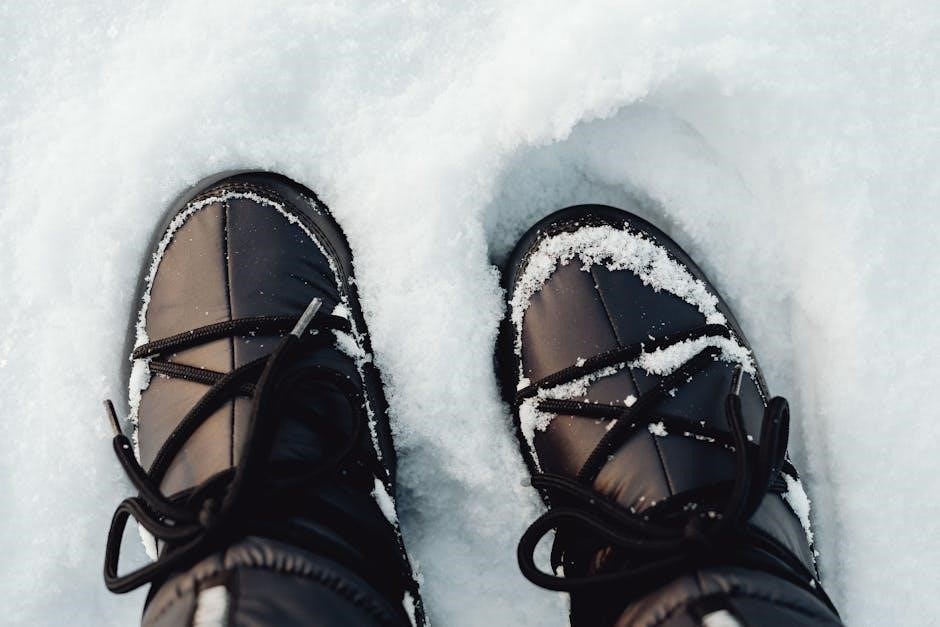
Insulation weight, measured in grams, directly correlates to warmth; higher gram ratings indicate thicker insulation, suitable for colder temperatures, offering substantial protection from freezing conditions.
200g Insulation: Mild Cold Weather
Boots featuring 200 grams of insulation are ideally suited for mild cold weather conditions, generally effective in temperatures ranging from 40 to 50 degrees Fahrenheit. This level of insulation provides a comfortable balance between warmth and breathability, preventing overheating during moderate activity.
For individuals engaging in activities where substantial exertion is expected, such as brisk walking or light hiking, 200g insulation prevents excessive sweating while still offering adequate protection against chilly temperatures. Many manufacturers suggest this weight is sufficient for withstanding temperatures down to -20°F, though this depends on individual physiology and activity level.
This insulation weight is a practical choice for fall and early winter use, offering sufficient warmth for everyday wear and light outdoor pursuits. It’s a versatile option for those who prioritize comfort and flexibility over extreme cold-weather protection, making it a popular choice for a wide range of boot applications.
400g Insulation: Moderate Cold Weather

When temperatures dip between 32 and 40 degrees Fahrenheit, 400 grams of boot insulation strikes an excellent balance for moderate cold weather conditions. This level provides significantly more warmth than 200g, making it suitable for extended periods outdoors or lower activity levels.
Individuals who spend considerable time stationary in cold environments, such as ice fishing or attending outdoor events, will benefit from the increased thermal protection offered by 400g insulation. It’s a practical choice for those needing reliable warmth without the bulkiness of heavier insulation levels.
This weight is often found in versatile winter boots designed for a variety of activities, offering sufficient warmth for both casual wear and moderate outdoor adventures. It’s a good compromise for users who encounter fluctuating temperatures and require adaptable footwear for diverse conditions.
800g Insulation: Extreme Cold Weather
For truly frigid conditions, where temperatures consistently fall at or below 32 degrees Fahrenheit, 800 grams of insulation represents the pinnacle of warmth in boot construction. This substantial layer of insulating material—whether Thinsulate or Primaloft—is designed to combat extreme cold and prolonged exposure.
Boots featuring 800g insulation are ideal for activities like extended backcountry expeditions, ice climbing, or working in consistently sub-zero environments. While incredibly warm, it’s important to note that this level of insulation can feel quite substantial, potentially reducing sensitivity and dexterity.
Despite the potential for a “furnace-like” feel, as some describe it, 800g insulation provides a critical layer of protection against frostbite and hypothermia in the most challenging winter conditions. It’s a specialized choice for those prioritizing maximum warmth above all else.
Boot Construction and Insulation
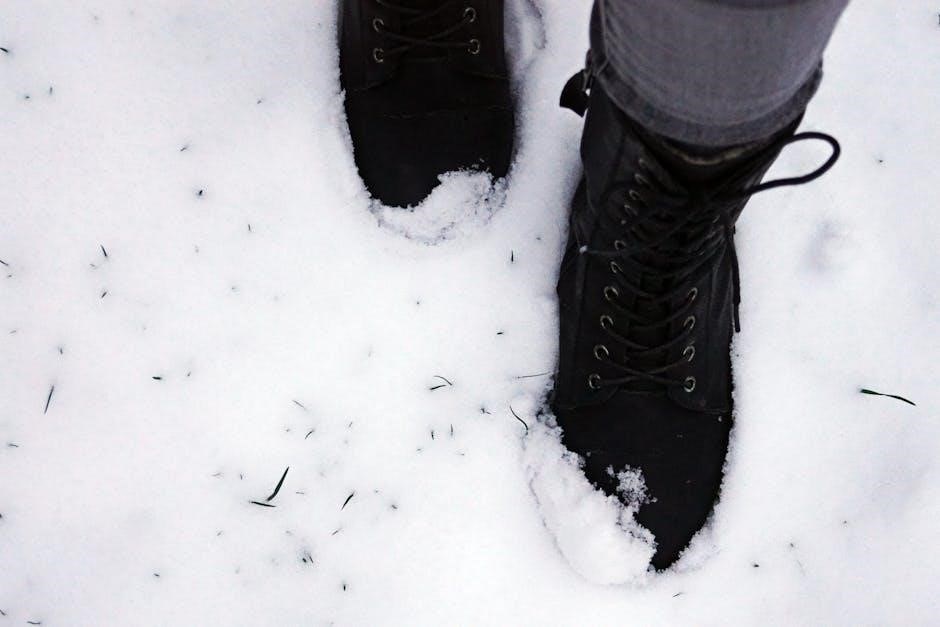
The materials used in a boot’s construction significantly impact its overall insulating capability, alongside the type and weight of insulation incorporated within.
Impact of Boot Material on Insulation
Boot materials play a crucial, often underestimated, role in how effectively insulation performs. Leather, particularly full-grain leather, offers natural insulating properties due to its density and ability to trap air. However, leather’s performance diminishes when wet, highlighting the need for waterproof treatments or membranes.
Synthetic materials, like nylon and polyester, are often lighter and dry faster than leather, but generally provide less inherent warmth. Their strength lies in being combined with waterproof and breathable membranes, preventing moisture buildup that compromises insulation. The boot’s construction – how the upper, midsole, and outsole are assembled – also influences heat retention.
A well-constructed boot minimizes cold spots and maximizes the insulating benefit of the materials used. Furthermore, the thickness and density of the boot’s components contribute to its overall thermal resistance, working in tandem with the chosen insulation type to deliver optimal warmth and comfort.
Waterproof vs. Water-Resistant Boots & Insulation
The distinction between waterproof and water-resistant boots significantly impacts insulation effectiveness. Waterproof boots, typically featuring membranes like Gore-Tex, create an impermeable barrier, preventing water from entering and soaking the insulation. Wet insulation loses much of its thermal capacity, rendering it ineffective.
Water-resistant boots, while offering some protection against moisture, are not fully sealed and may allow water to penetrate during prolonged exposure or submersion. This makes them less reliable in consistently wet conditions. Maintaining dry insulation is paramount for warmth; even the best insulation performs poorly when damp.
Therefore, selecting a boot with appropriate water protection – waterproof for severe conditions, water-resistant for lighter moisture – is crucial. Combining effective waterproofing with high-quality insulation ensures optimal foot comfort and prevents the chilling effects of wet feet, maximizing the benefits of the insulating material.
Choosing the Right Boot Insulation for Your Needs
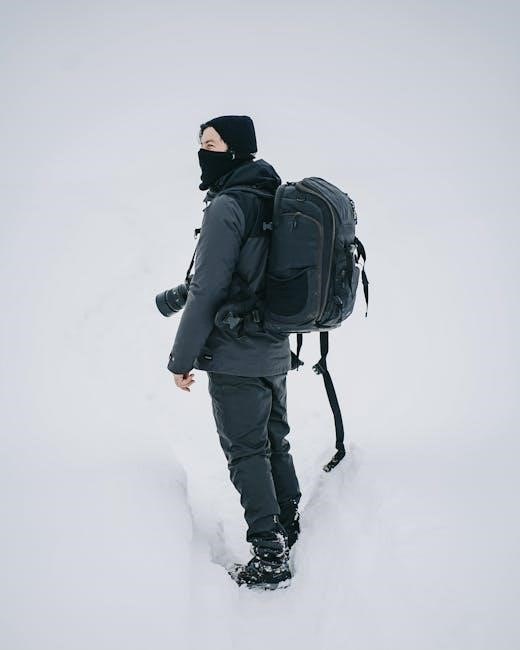
Selecting appropriate boot insulation depends on activity and climate; work, hiking, and winter boots require different levels of warmth and protection for optimal foot comfort.
Work Boot Insulation Considerations
For work boots, insulation needs are dictated by the work environment and exposure to cold temperatures, often prioritizing durability alongside warmth. Consider the typical conditions – prolonged outdoor exposure demands higher insulation ratings, like 400g or 800g Thinsulate, to combat frigid temperatures and maintain dexterity.
However, if work involves frequent transitions between indoors and outdoors, or moderate cold, a 200g insulation might suffice, offering sufficient warmth without excessive bulk. Work boots also benefit from insulation that maintains flexibility, allowing for comfortable movement during long shifts.
Furthermore, the type of work impacts the choice; those standing on cold surfaces for extended periods require robust insulation in the soles, often utilizing polyurethane, to prevent heat loss. Prioritizing waterproof or water-resistant construction is crucial, as wet feet quickly become cold feet, diminishing the effectiveness of even the best insulation.
Hiking Boot Insulation Considerations
When selecting hiking boots, insulation needs balance warmth with breathability and pack weight; hikers generate heat through exertion, so excessive insulation can lead to overheating and moisture buildup. For mild to moderate conditions (40-50°F), 200g of Thinsulate or Primaloft provides adequate warmth without sacrificing comfort.
However, for colder climates or high-altitude hikes, 400g insulation offers a better compromise, retaining heat while still allowing some breathability. Water resistance is paramount, as wet feet dramatically increase the risk of hypothermia. Boots constructed with waterproof materials like leather and synthetic fabrics are essential.
Consider the duration and intensity of hikes; longer treks in frigid conditions may warrant 800g insulation, but prioritize a boot that allows for layering socks to adjust warmth levels. Lightweight insulation materials like Thinsulate minimize bulk, crucial for long-distance hiking.
Winter Boot Insulation Considerations
For dedicated winter boots, prioritizing maximum warmth is key, especially in sub-zero temperatures; 800g of Thinsulate or Primaloft is generally recommended for prolonged exposure to extreme cold (below 32°F). These boots are designed for static activities like ice fishing or snowmobiling, where heat retention is critical.
However, even winter boots benefit from waterproof construction to prevent moisture from compromising insulation effectiveness. Look for boots with fully sealed seams and waterproof membranes. Consider the boot’s height; taller boots offer greater protection from snow and slush.
Layering socks is crucial for fine-tuning warmth levels, but avoid overly tight socks that restrict circulation. Durability is also important, as winter boots endure harsh conditions. Thinsulate’s known durability ensures long-lasting performance, retaining its insulating properties over time.
Caring for Insulated Boots
Proper drying and storage are vital for maintaining insulation effectiveness; avoid direct heat, which can damage materials, and store boots in a cool, dry location.
Drying Insulated Boots Properly
Effectively drying insulated boots requires a gentle approach to preserve the integrity of the insulating materials. Avoid direct heat sources like radiators, fireplaces, or direct sunlight, as these can cause the insulation to break down, reducing its effectiveness and potentially damaging the boot’s construction. Instead, remove the insoles and loosen the laces to promote airflow.
Stuffing the boots with newspaper or using a boot dryer designed for insulated footwear are excellent methods. Newspaper absorbs moisture from the inside, while boot dryers circulate gentle, warm air. If using a boot dryer, select a low-heat setting. Allow ample time for the boots to dry completely – typically 24 to 48 hours – before storing or wearing them again. Never attempt to speed up the process with excessive heat, as this can compromise the insulation’s performance and the boot’s overall lifespan.
Ensure boots are thoroughly dry to prevent mold and mildew growth, which can also degrade the insulation and cause unpleasant odors.
Storing Insulated Boots
Proper storage is crucial for maintaining the longevity and effectiveness of your insulated boots. Before storing, ensure the boots are completely dry to prevent mold, mildew, and the breakdown of insulating materials; Remove the insoles to allow for better airflow and drying, and loosely stuff the boots with acid-free tissue paper to help retain their shape;
Store the boots in a cool, dry, and well-ventilated area, away from direct sunlight and extreme temperatures. Avoid storing them in plastic bags, as this can trap moisture and promote mildew growth. Breathable boot bags or open shelving are ideal. Consider using boot trees to further maintain their shape and prevent creasing.
Regularly inspect stored boots for any signs of damage or deterioration. With proper care, your insulated boots will remain ready for cold-weather adventures for years to come, providing consistent warmth and comfort.